History: The Inn at Rancho Santa Fe From La Morada to The Inn: A Legacy of Hospitality
The Earliest Days
The Santa Fe Land Improvement Company initiated development during Rancho Santa Fe’s earliest phase. Initially, it served as a dormitory for male workers building the area, and later converted into a guesthouse for potential land buyers. However, its usefulness grew rapidly as news spread that land in Rancho Santa Fe was for sale. As potential buyers arrived, they also needed accommodation while they evaluated their options. La Morada, which is Spanish for “dwelling,” transitioned from worker housing to guest accommodations. It provided a place for prospective buyers to stay comfortably while they deliberated, marking a significant turning point for the property.
Lilian Rice’s Role
The Spanish Colonial Revival structure was designed by architect Lilian Rice, working with the firm of Requa and Jackson, which the Santa Fe Land Improvement Company had commissioned in 1921 to guide the development of Rancho Santa Fe. Rice spent years developing the community’s master plan. She oversaw the creation of the village center and its residences.
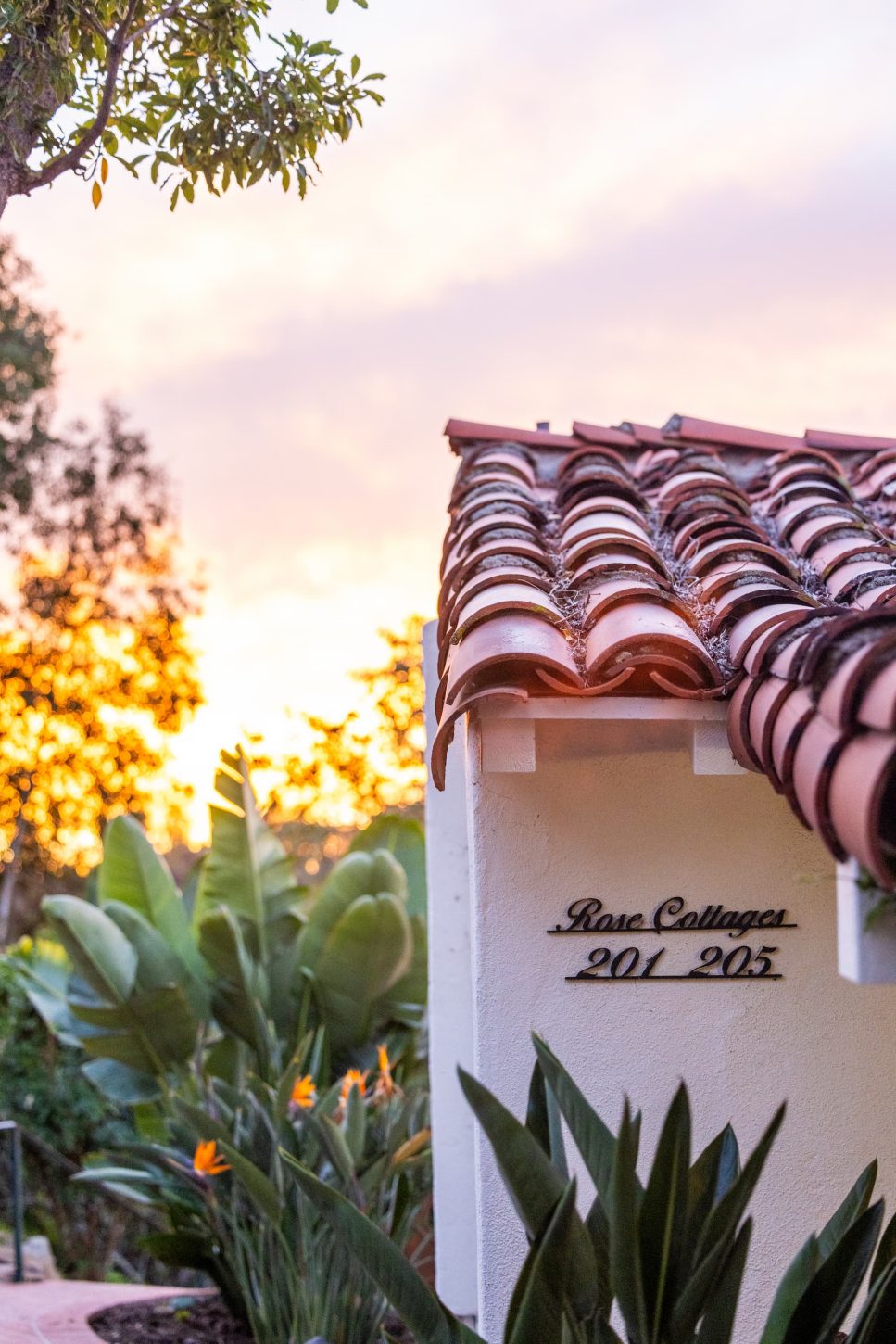
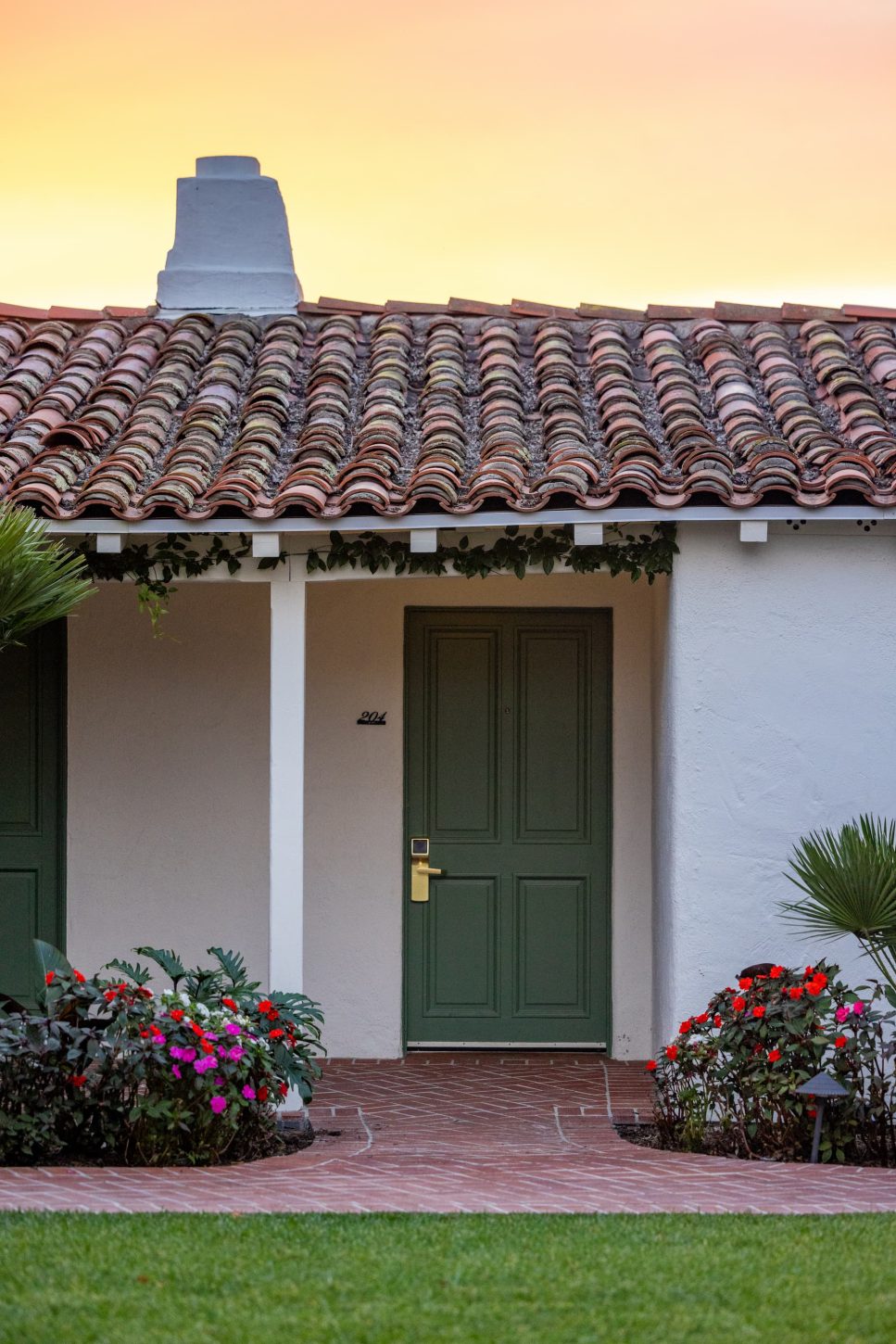
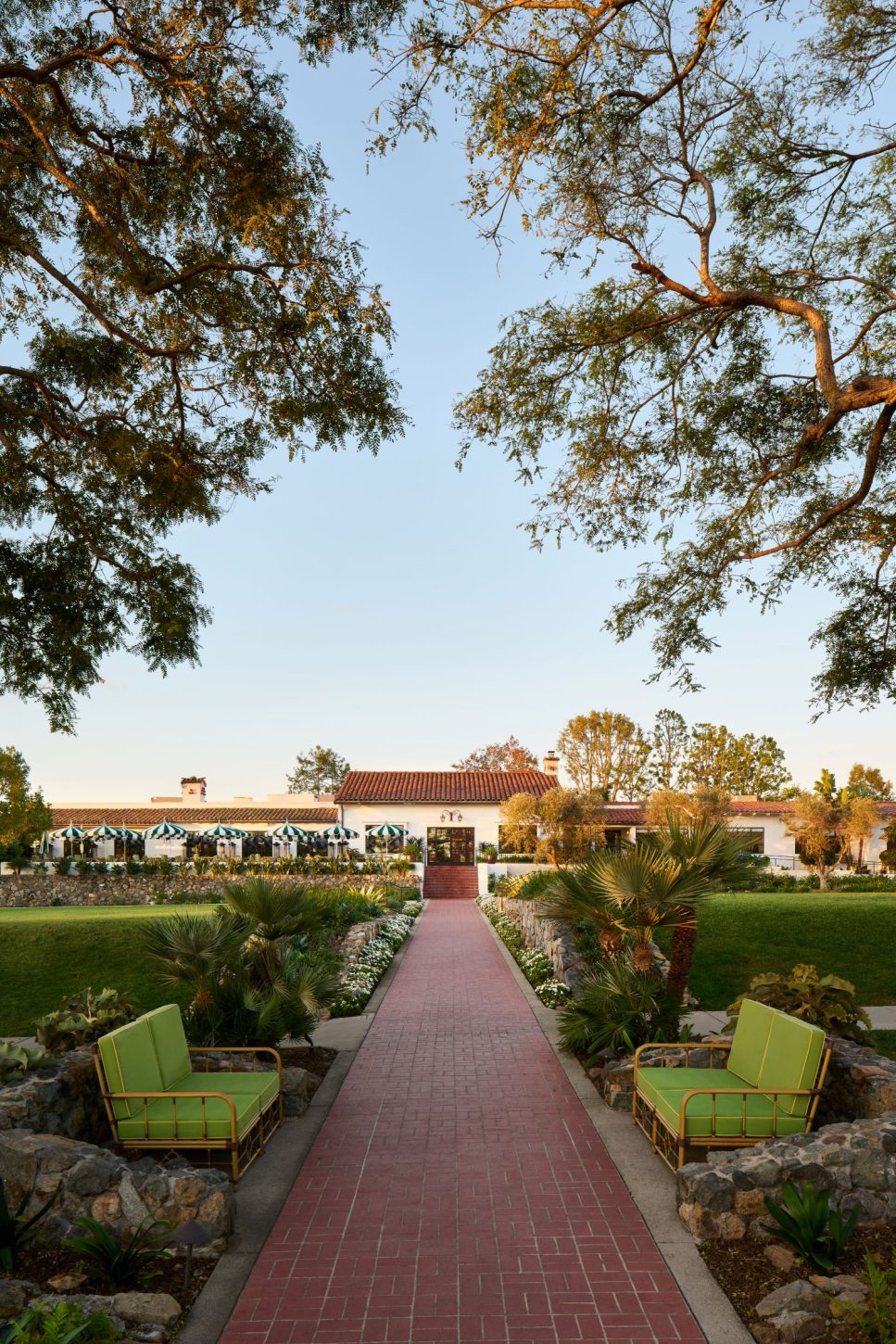
Rice was particularly focused on restrained design concepts. That was evident in her choices for La Morada, from the red tiles capping the rooftops to exteriors finished in stucco. The effect was as relaxed and breezy as one might expect of a California enclave, complete with courtyards and terraces that reinforced the village-like character Rice envisioned for Rancho Santa Fe.
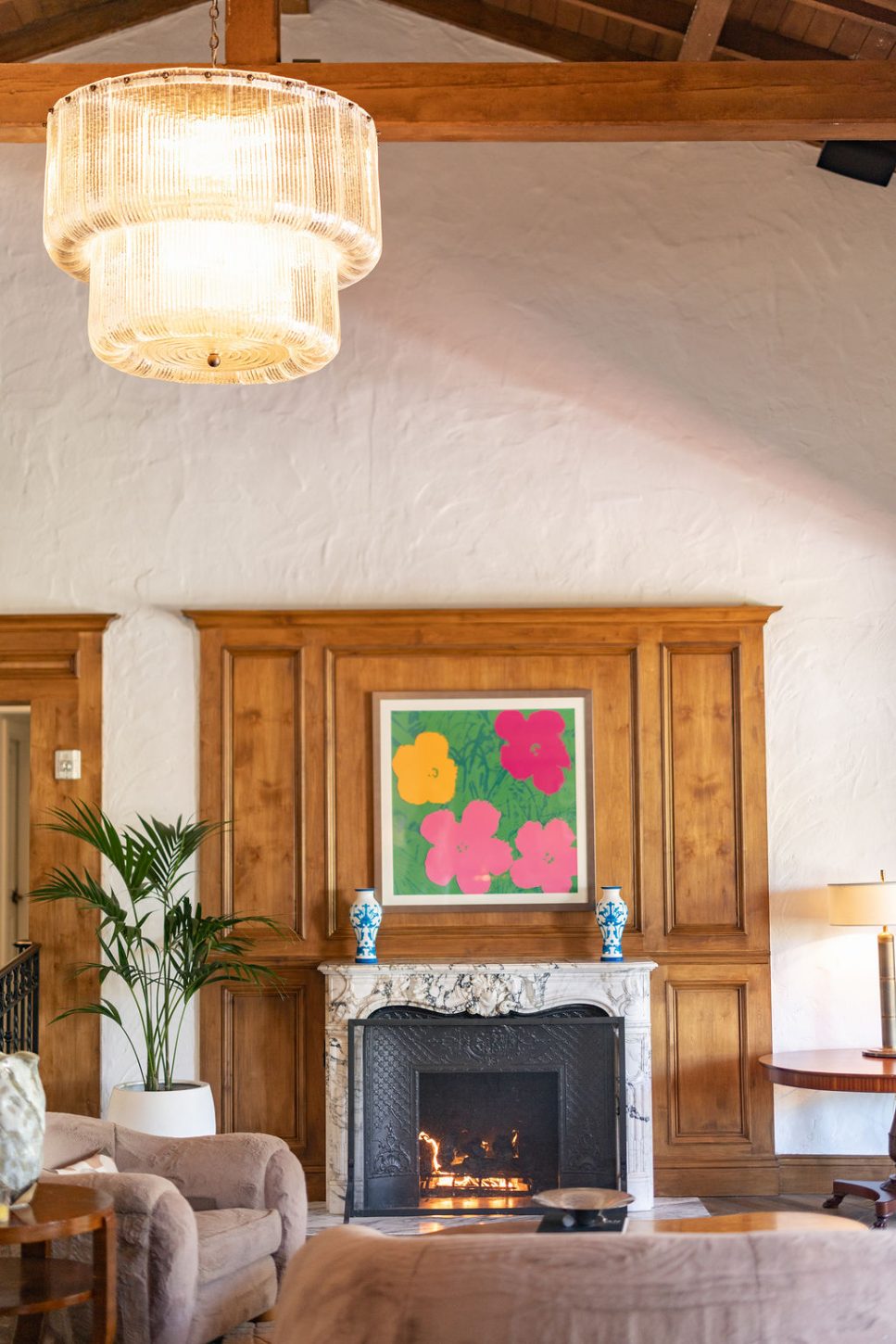
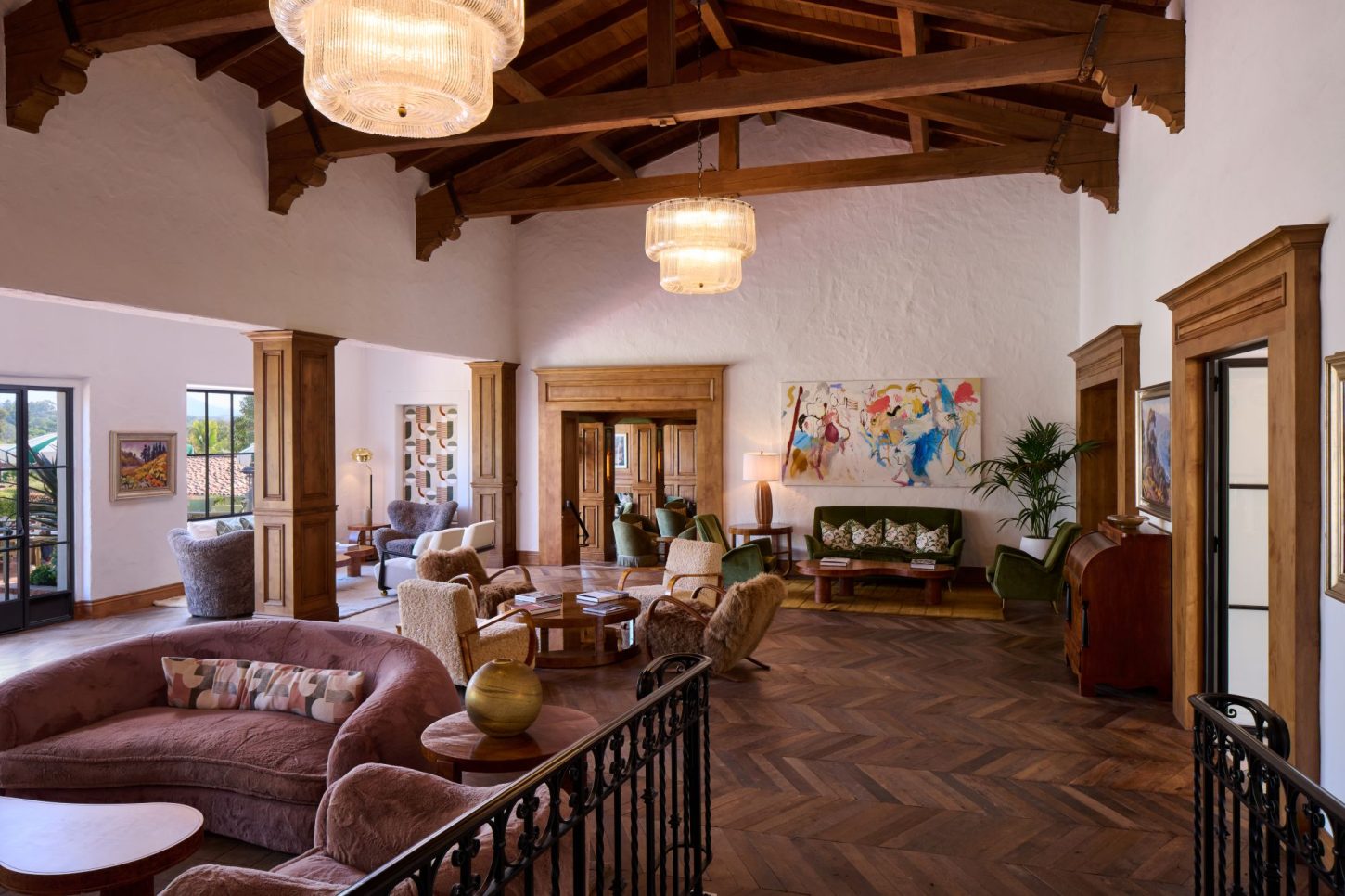
The lobby’s exposed wood-beamed ceilings, which date back to the original 1923 construction, remain visible and intact today. The building’s massing and materials still reflect the early ideas and sensibilities that Rice established as her primary framework.
The Inn Emerges
By 1941, Rancho Santa Fe had grown beyond those early developmental years and settled into its identity as a quintessentially Californian, tranquil residential community. Upon purchase by the new, third owner, the property was officially renamed The Inn.
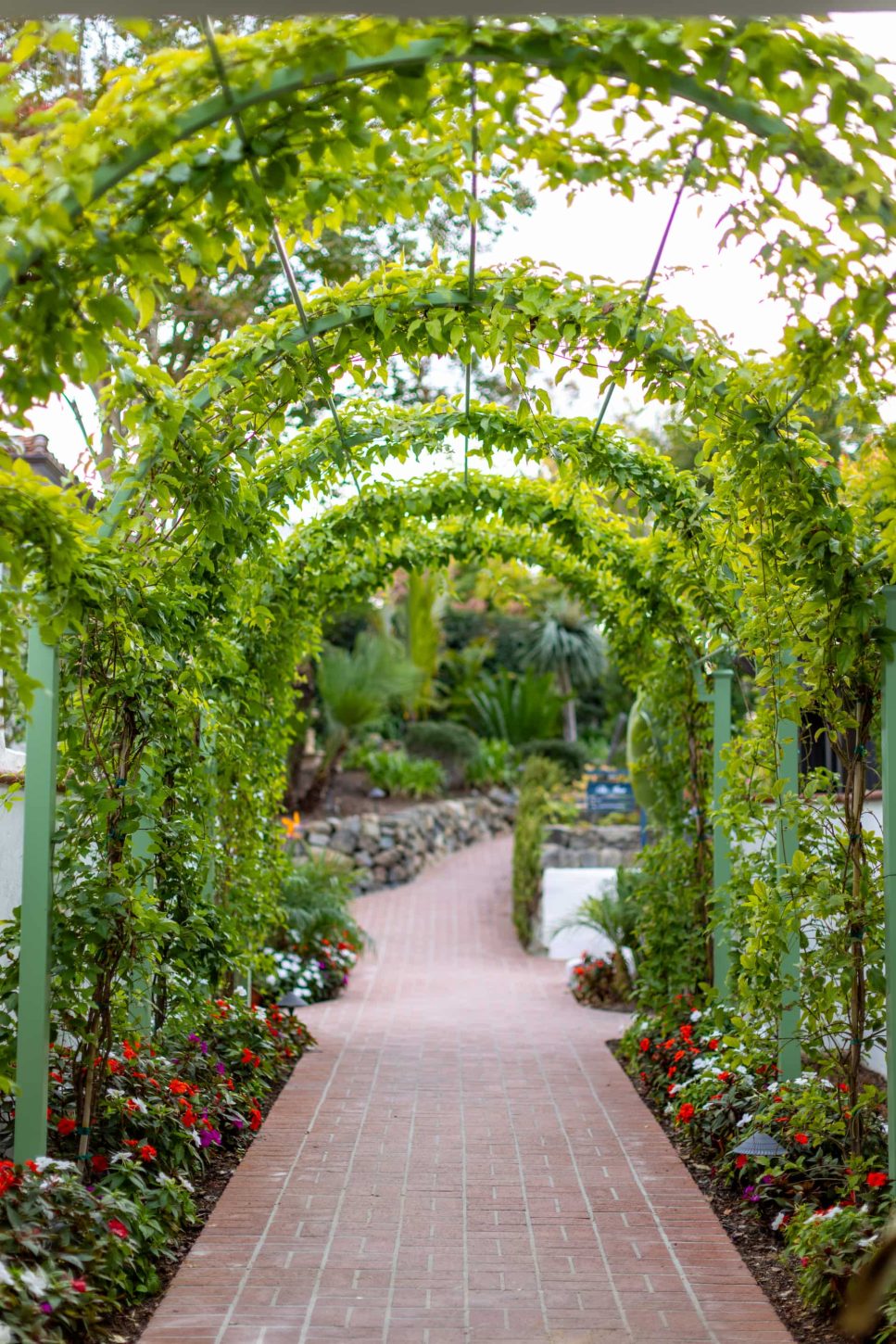
Very little structural intervention was required to make this transition. The courtyards retained their open, airy design, with walkways linking the property to the surrounding village center. Many of the architectural elements introduced in 1923 remained central to the property’s character, which meant the property could easily grow into its new role without major construction.
The Building Today
That original structure remains a thriving property that continues to welcome visitors to Rancho Santa Fe. Today, it is home to Lilian’s, the signature restaurant named for architect Lilian Jeannette Rice, whose work helped shape much of the community’s early architectural character. The space is both warm and airy, reflecting the same restrained and thoughtful design sensibility that defined Rice’s approach to architecture.
A Living History
The shift from La Morada to The Inn is seamlessly smooth, reflecting its well-maintained and elegant grounds. The building’s core purpose remains intact, but it now exudes greater warmth and sophistication through subtle updates that have made it one of the region’s most cherished resorts.